
Pediatrics

  • IgA Vasculitis

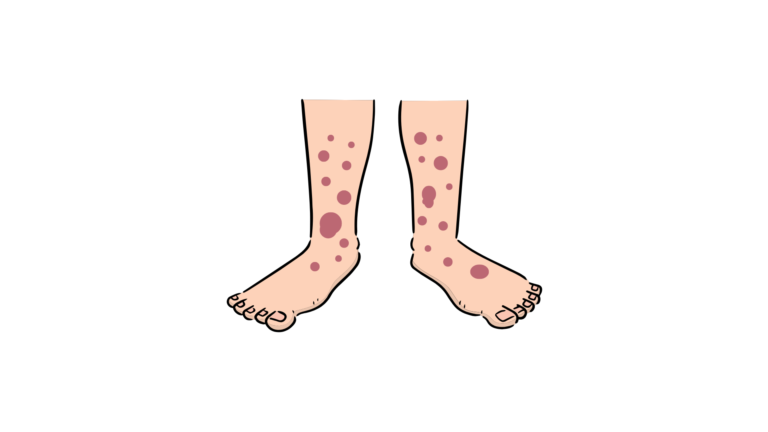
    IgA vasculitis is a systemic disease characterized by inflammation of the small blood vessels. It is formerly known as Henoch-Schönlein purpura, however due to the better reflect the underlying pathophysiology of the disease, it was renamed as IgA vasculitis (IgAV) by the International Chapel Hill Consensus Conference. Pathophysiology Hallmark : Deposition of IgA1-domminant immune complexes…


  • Childhood asthma exacerbation

    Clinical features Asthma exacerbations (or asthma attacks) are episodes characterized by gradual increase in symptoms such as shortness of breath, cough, wheezing and chest tightness, or a combination of these symptoms. They are also associated with a progressive decline in lung function, represented by a significant change from the patient’s usual condition that necessitates a…

  • |

    Childhood asthma

    This post outlines stable asthma management in two groups: children aged 6–11 years and those ≤5 years. Management of acute exacerbations will be covered in a separate post to ensure clarity and focus. Please note that the section on children aged 6–11 years (first page) is still based on the Malaysian CPG and GINA 2024 guidelines and will…

  • Acute bronchiolitis

    Epidemiology Age group: Affects infants and children <2 years, most commonly in the 1st year of life, peaking between 3 – 6 months.Common causative agent: Respiratory Syncytial Virus (RSV) Other possible viral agents: Adenovirus, Influenza virus, Parainfluenza virus, Metapneumovirus Clinical presentation a) Coryzal prodrome (1 – 3 days) – rhinorrhea, mild cough b) Followed by…