
Neurology

  • Migraine

    Migraine presents as recurrent, often unilateral throbbing headaches associated with nausea, photophobia or phonophobia, with or without aura. Management includes trigger identification, acute symptomatic treatment and consideration of preventive therapy in frequent or disabling attacks.
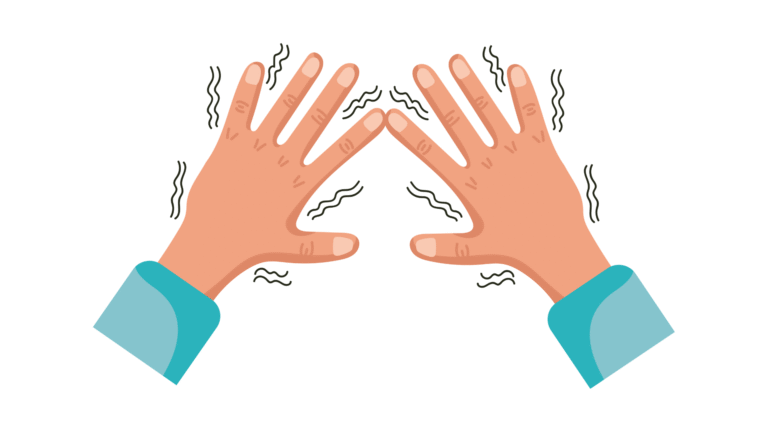

  • Approach to tremors

    Evaluating tremors requires a systematic clinical approach to differentiate between various types such as essential tremor, Parkinsonian tremor, physiological tremor, etc. Key considerations include onset, distribution, frequency and associated neurological signs, which guide appropriate investigations and tailored management.

  • Tension-Type Headache

    Tension-type headache typically manifests as bilateral, pressing or tightening pain of mild to moderate intensity, without significant nausea or neurological symptoms. Management focuses on lifestyle and stress management, appropriate use of analgesics and avoidance of medication overuse.

  • Mild Cognitive Impairment

    Mild cognitive impairment (MCI) is characterized by measurable cognitive decline that does not significantly interfere with daily functioning, often affecting memory, language or judgement. Key points in management include early detection, assessment of reversible causes, risk factor optimization and monitoring for progression to dementia.

  • Dementia

    Dementia is a progressive neurocognitive disorder marked by decline in memory, thinking and functional ability, impacting independence and daily activities. Management involves identifying underlying causes and subtypes, addressing behavioral and psychological symptoms, and providing multidisciplinary support for patients and caregivers.