
Dermatology

  • Androgenetic alopecia

    The Normal Hair Cycle To understand about the pathophysiology of androgenetic alopecia, it is best to learn first about the normal hair cycle. Our normal hair cycle generally consists of 4 phases: i. Anagen phase; ii. Catagen phase; iii. Telogen phase and iv. Exogen phase as illustrated below. Pathophysiology of Androgenetic Alopecia AGA is a…
  • Molluscum contagiosum

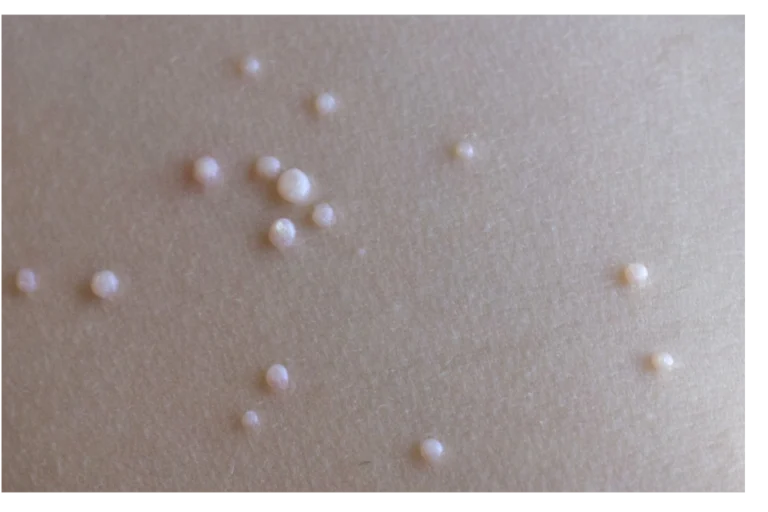
    Molluscum contagiosum often presents with small, dome-shaped umbilicated papules, most commonly in children and young adults. While previously managed with watchful waiting, there is a growing shift towards active treatment in selected cases—particularly when lesions are extensive, persistent or impacting quality of life—alongside treating to reduce transmission and other adverse consequences.

  • Acne Vulgaris

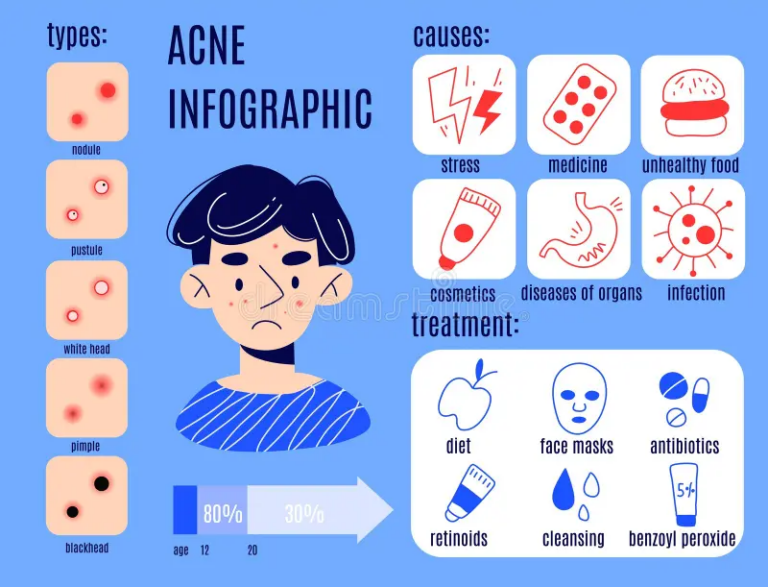
    Acne vulgaris is a chronic inflammatory disorder of the pilosebaceous unit presenting with comedones, papules, pustules or nodules, commonly affecting the face, chest and back. Early severity assessment and stepwise management—using appropriate topical agents, systemic therapy when indicated and timely referral for severe cases—are key to preventing scarring and reducing psychosocial impact.

  • Cellulitis and Erysipelas

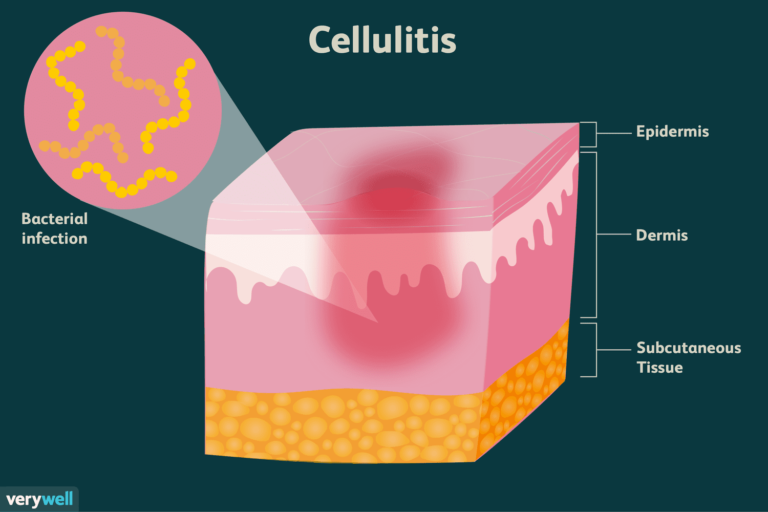
    Cellulitis and erysipelas are acute bacterial infections of the skin and subcutaneous tissues, presenting with erythema, warmth, swelling and pain, often accompanied by systemic features. Erysipelas typically involves the superficial dermis with well-demarcated borders, whereas cellulitis affects deeper tissues with less distinct margins. Prompt clinical recognition, assessment of severity and early initiation of appropriate antibiotics—alongside identification of portals of entry and risk factors—are essential to prevent complications and recurrence.

  • Atopic eczema

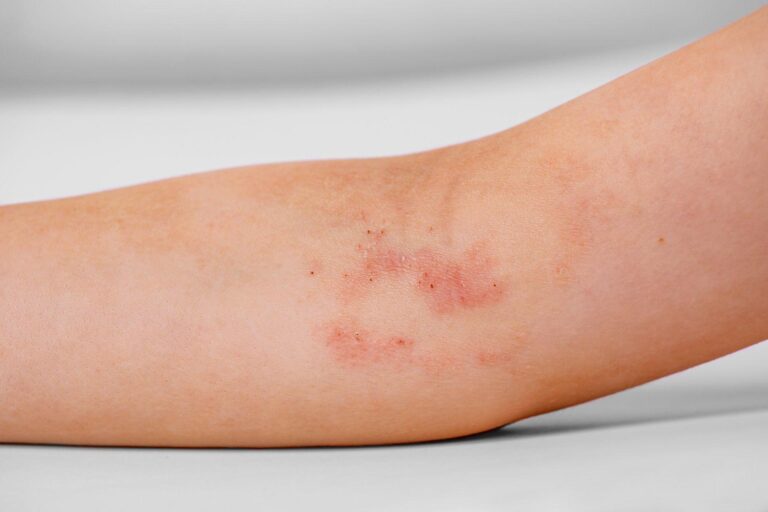
    Atopic eczema is a chronic inflammatory skin disorder marked by intense pruritus, dryness, and eczematous lesions. It commonly affects flexural areas and can significantly impact quality of life. Management focuses on regular emollient use, topical anti-inflammatory treatments, trigger avoidance, and education to reduce flares and maintain skin barrier function.

  • Onychomycosis

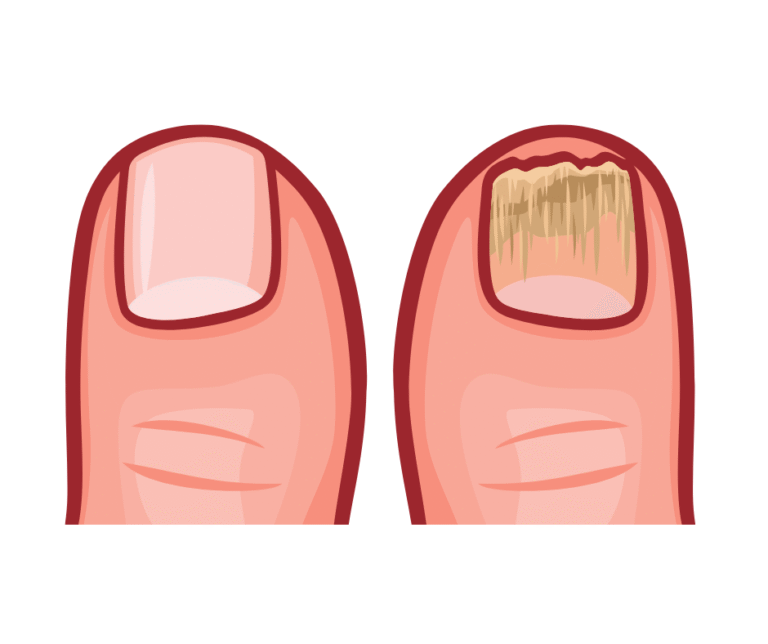
    Onychomycosis refers to fungal infection of the nail unit, leading to discolouration, thickening and nail dystrophy. Diagnosis should be confirmed where possible, with treatment tailored to disease extent using topical or systemic antifungals to improve cure rates and limit relapse.

  • Scabies

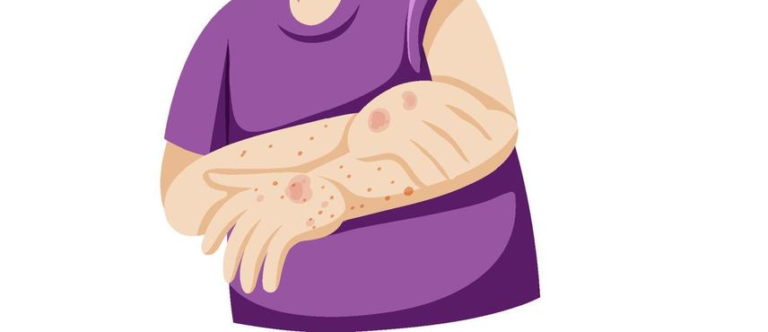
    Scabies is a contagious skin infestation caused by Sarcoptes scabiei, presenting with intense nocturnal itching, papular rashes, and burrows, often in web spaces and flexural areas.
    Diagnosis is clinical, supported by microscopy when needed.
    Treatment involves topical or oral anti-parasitic therapy, environmental decontamination, and management of close contacts to prevent reinfestation.