
Cardiovascular

  • Dyslipidemia

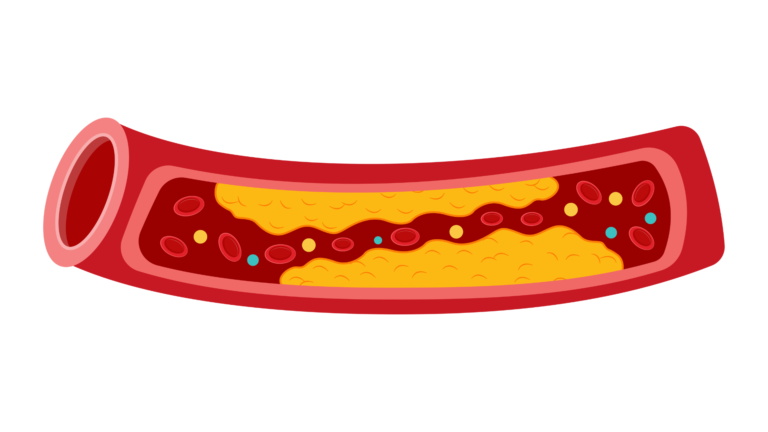
    Dyslipidemia refers to abnormal levels of blood lipids—such as elevated cholesterol, triglycerides or low HDL—which contribute to atherosclerosis and increased cardiovascular risk. Assessment involves lipid profiling and overall risk stratification, with management focusing on lifestyle modification and targeted lipid-lowering therapy to reduce long-term cardiovascular events.


  • Hypertension

    Hypertension often remains asymptomatic yet is a major contributor to cardiovascular, cerebrovascular and renal disease. In primary care, emphasis is placed on accurate diagnosis with proper measurement, global cardiovascular risk assessment and stepwise management—combining lifestyle modification with pharmacotherapy—to achieve target blood pressure and reduce long-term complications.

  • |

    Obesity (Adult)

    Obesity is a complex, chronic disease characterised by excess body fat that increases the risk of type 2 diabetes, cardiovascular disease and other metabolic complications. Comprehensive assessment includes body mass index, waist circumference and evaluation of comorbidities, with management focusing on sustained lifestyle modification, behavioural support, pharmacotherapy and consideration of bariatric surgery where indicated.

  • Young hypertension

    Young hypertension requires a higher index of suspicion for secondary causes such as renal or endocrine disorders, as well as modifiable risk factors. A focused evaluation, early intervention and appropriate follow-up are essential to prevent premature cardiovascular disease and long-term end-organ damage.